

Voting is the best
Why would women give up the right to vote?

I always vote.
Because I can.
Because generations of people who came before me worked to develop a system of government that was responsive to citizens.
And then, generations of activists fought to ensure that ordinary citizens like me —and not just a special class of elites —would be heard and counted.
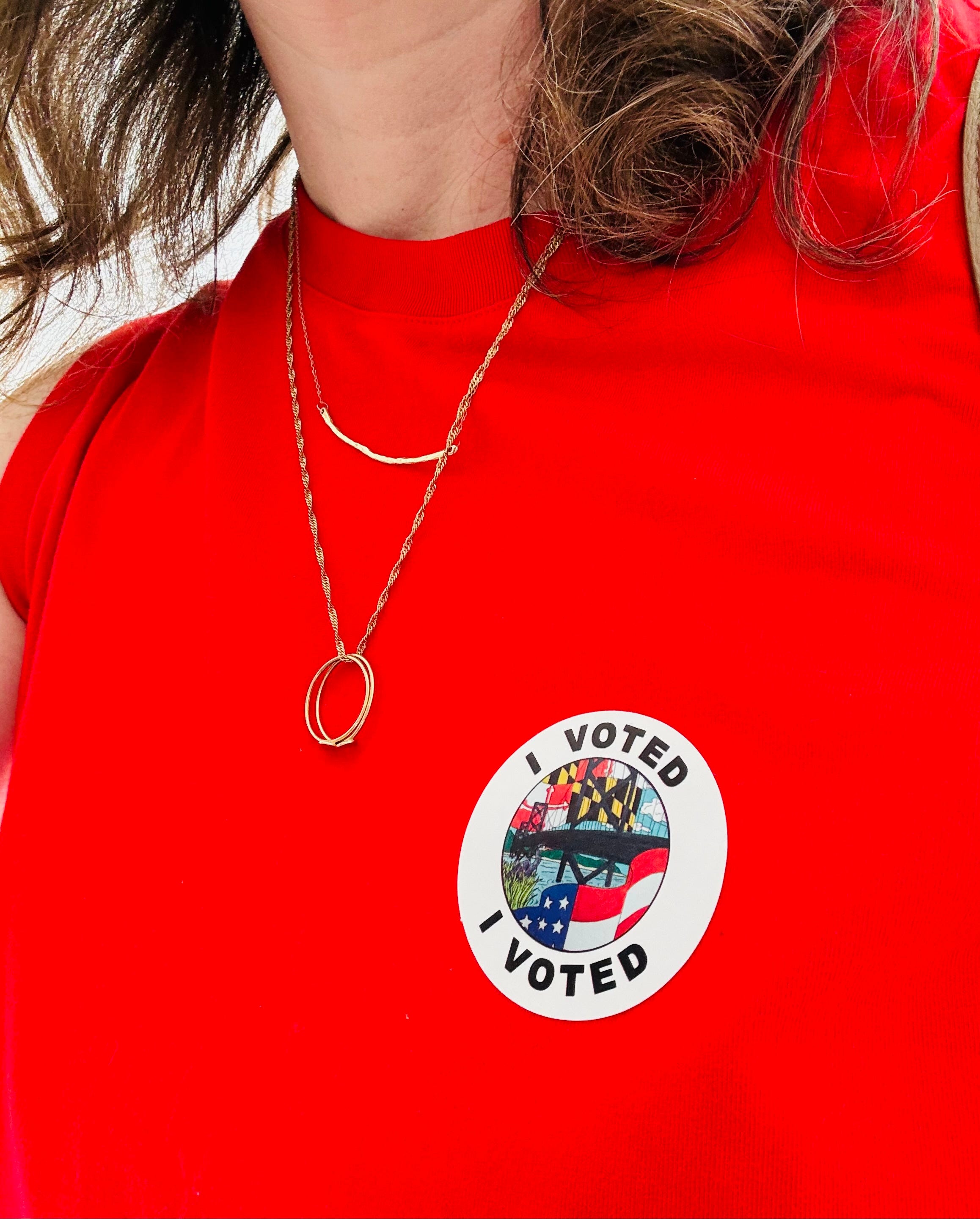
Yesterday was Election Day in many states around the country, including my own. It rained, and I had a busy day, and I was not especially passionate about any of the races on the ballot. So it was a bit of a hassle to add one more stop to my itinerary. And no one likes waiting in lines.
But here’s the thing: I was very excited to cast my vote.
Every time I vote, I read the poem “Election Day,” by Walt Whitman, which is a stirring reminder that “America’s choosing day” as he puts it, is “a swordless conflict.”
Put differently, the alternative to free and fair elections and the peaceful transfer of power is either domination or war.
Neither American democracy nor American elections are perfect. Even so, I would never ever give up my right to vote. And it is difficult to accept that anyone would.
But accept it we must, if we want to be clear-eyed about what is happening in American politics, the latest chapter of which involves right-wing women increasingly embracing the idea that extending women to right to vote was a mistake.
“I would gladly give up my right to vote to have a more conservative country”
To be clear, this is still a fringe position held by a small portion of conservative women.
But if you closely follow organizations like Turning Point USA, you may have already seen coverage of this year’s Women’s Leadership Summit which featured Savannah Stone as a headline speaker. Among other anti-feminist positions, Stone (sometimes called the “female Andrew Tate”) promotes the idea that women shouldn’t vote.
When attendees were asked if they agreed with this, some were quite open to the idea. Some justified this in terms of a religious commitment to patriarchy, suggesting that since they already vote the same way as their husbands, they would trust him to vote on behalf of their household.
“Household voting,” as this position is sometimes referred to, is a tool of disempowering women in society and ensuring they are dependent upon the male head of their households.
Others justified their positions more clearly in political terms, arguing that because women tend to be more liberal than men, giving women the right to vote has resulted in the liberalization of society.
As Savannah Stone, the controversial keynote speaker put it:
I would gladly give up my right to vote to have a more conservative country.
Joyce Vance wrote in more detail about this last week, and I recommend her essay below, which includes the video above of interviews with women who attended the conference.

It is hard to get one’s mind around the idea that anyone would give up their right to vote forever in order to help the political party they currently favor win an election.
But it’s important to listen to the women who are embracing this position. In part because if this idea takes hold, all women have a lot to lose. But also because it reveals much about the current state of American partisan politics.